*cough*
Is... is this thing on?
Photo credit: Keith Bloomfield

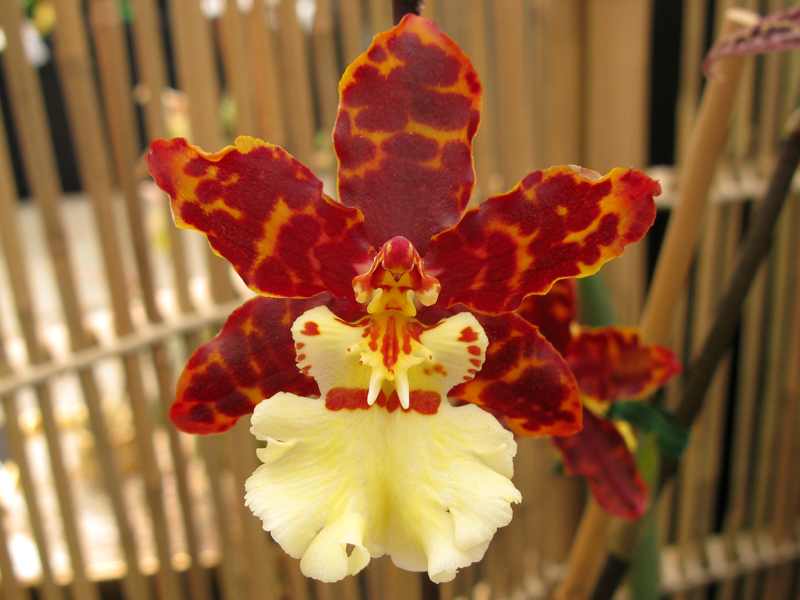 Odontocidium Sunlight
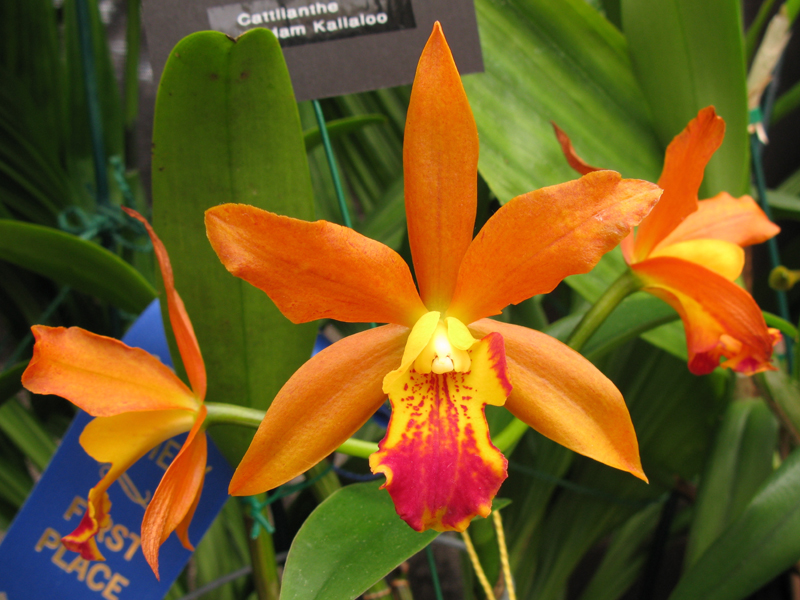 Cattlianthe Madam Kallaloo
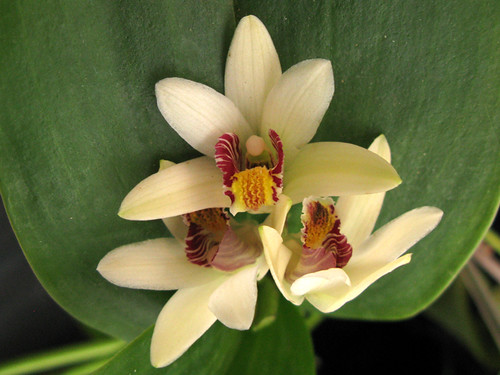
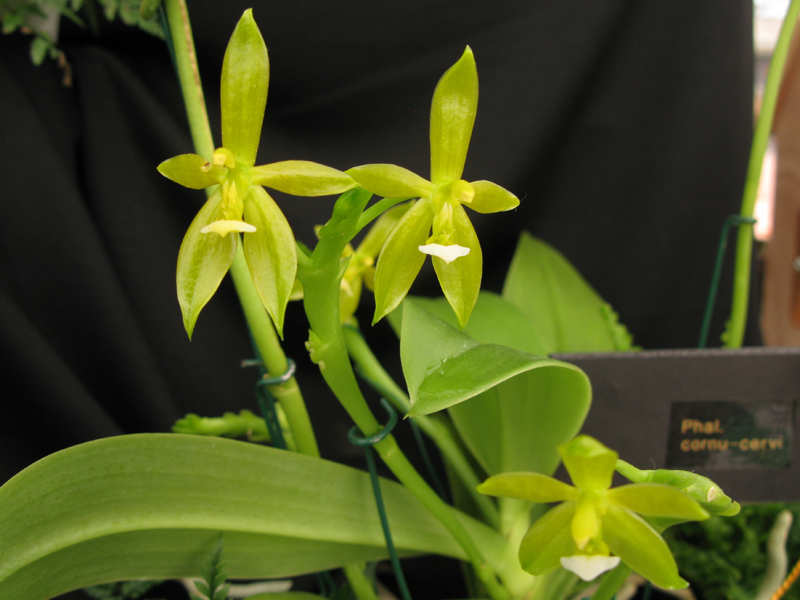 Phalaenopsis cornu-cervi
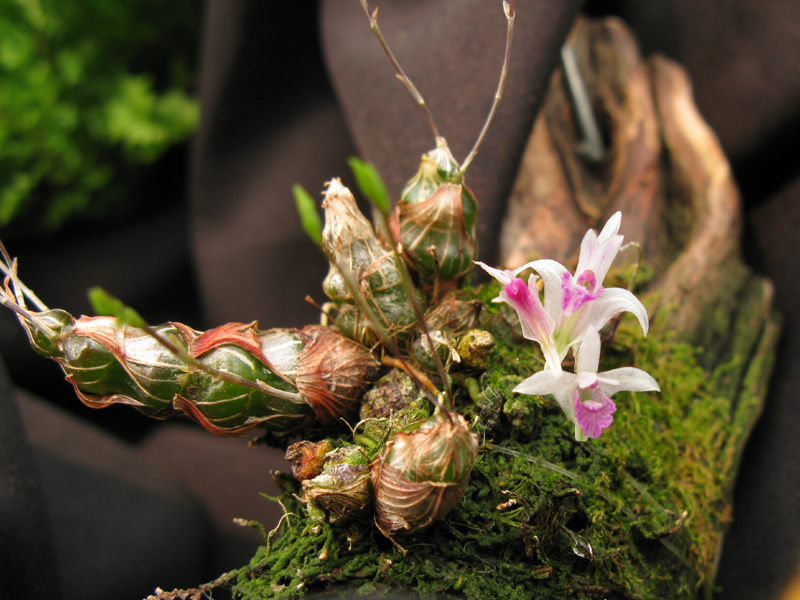 Dendrobium garrettii
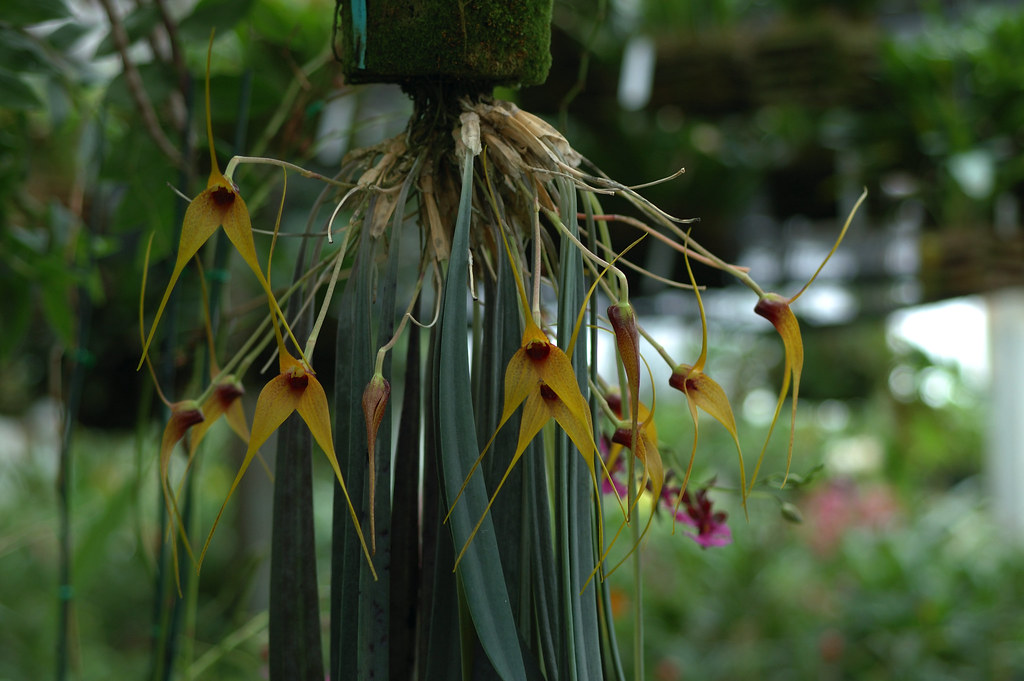
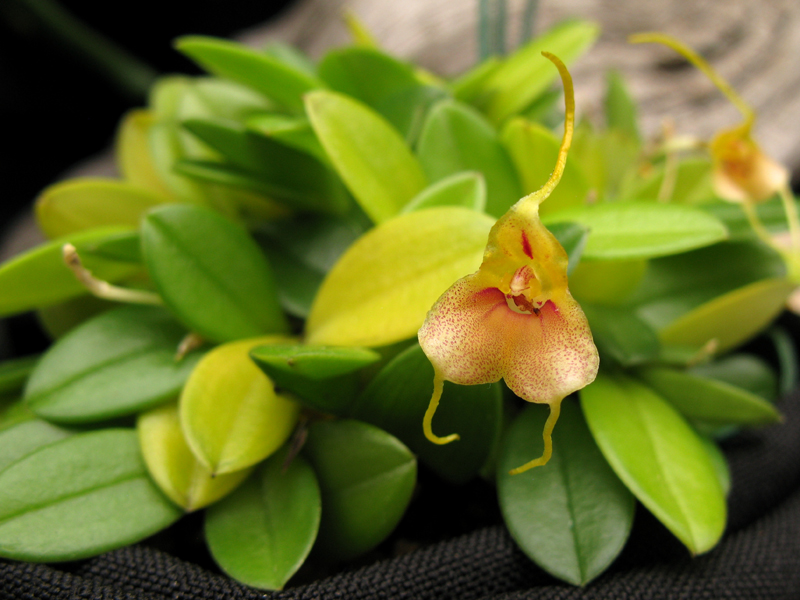 Masdevallia pteroglossa
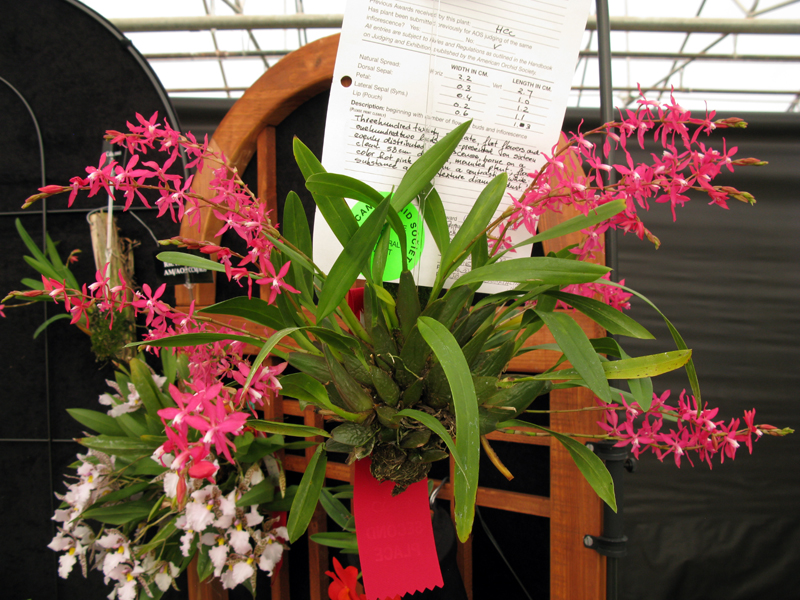 Cochlioda rosea 'Laramie' HCC/AOS
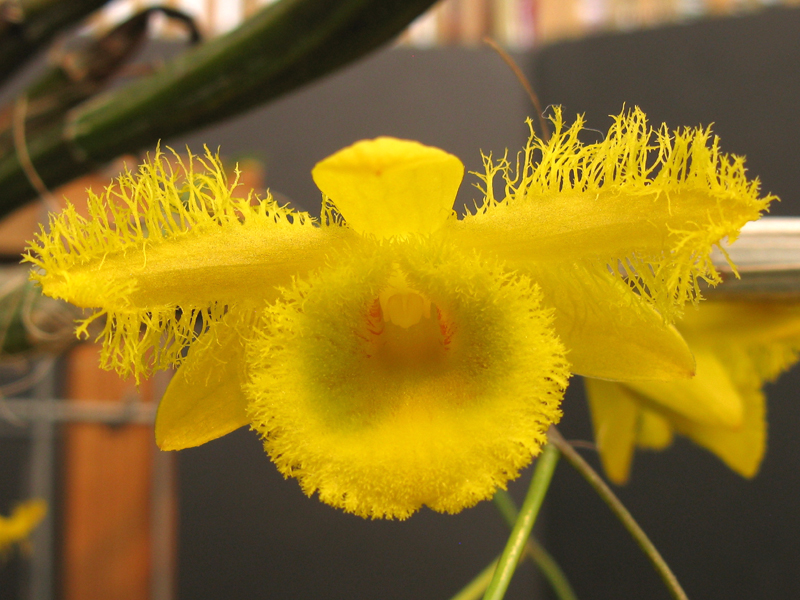 Dendrobium harveyanum
 Dendrobium Spring Doll 'Sweetheart' HCC/AOS
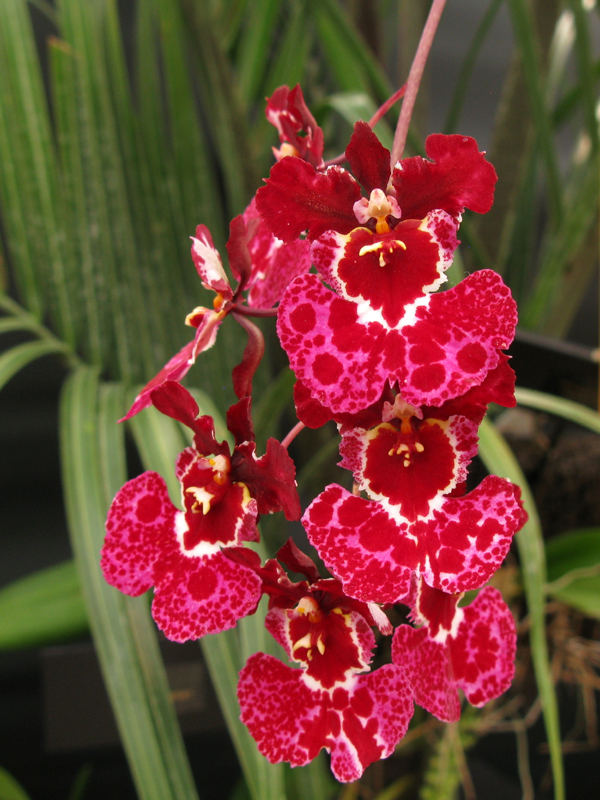 Tolumnia Jairak Rainbow
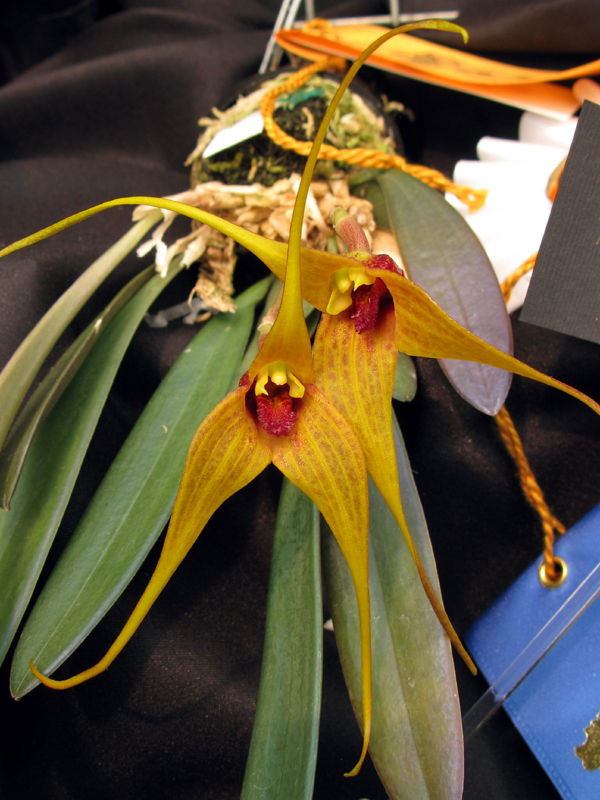 Masdevallia caesia
 Last-minute Christmas shoppers are braving the snow and slush outside. I remain sequestered indoors, braving the labyrinthine folds of my own brain. I nurse mug after mug of rooibos, procrastinate by baking these, distract myself by reading that. I find myself at the interface between two parts of my research, you see, and it has taken the form of a mental chasm I am hesitant to traverse.
 Ever since I was a child, I knew I wanted to help figure out how the world works. I wanted to add pieces to the puzzle, somehow contribute to our understanding of life itself. Today, I'm fulfilling that dream by investigating the wonderfully complex machinery inside cells that help genes to function. Being a geneticist, with a focus on cereal functional genomics, means the pieces I contribute to the puzzle of nature are rather specific. It all seems rather small. I tend to get caught up in the detail of it. The detail is fascinating, certainly, but sometimes it feels kind of trivial, or unimportant. But then I read Michael Pollan, or about Norman Borlaug and the Green Revolution, or about golden rice, or the looming Ug99 epidemic, and I realize that what I do has tremendous value to world food security. What I do will help feed the world.
 That's enough reason to get the word out and publish that paper. It is the final step to The Scientific Method. It also proves one of the most challenging. Which publication does one aim for? Should I be arrogant and aim for a high impact journal, with a very real chance of being rejected? Or do I aim for more a modest periodical and run the risk of my work falling into obscurity? Judging the worth of one's own research is really difficult, especially when you've been intimately involved with it for such a long period of time. The peer-review system ensures that only science of high quality gets published. It also means that the reviewers can be quite brutal, sometimes subjecting your raw data to a full-on audit, of sorts. So I need to be sure before I submit the manuscript. Was the experimental design inherently flawed? Did I include the appropriate controls during gene suppression? Did I transpose a decimal in a calculation somewhere? Are the levels of gene expression truly significantly different between treatments? Alone at night, huddled over my notebooks and spreadsheets, there are moments where I doubt myself. This I have no doubt about, though: with the right kind of angle, this thing will go to press. It deserves to. The story must be told. Without the smallest piece, no puzzle is complete.